
Korean Slow Cooker Pork Ribs (Maeun Dwaeji Galbijjim)
Tender, spicy, and deeply flavorful Korean slow cooker pork ribs (Maeun Dwaeji Galbijjim) — an easy set-and-forget comfort dish packed with gochujang and bold flavors.
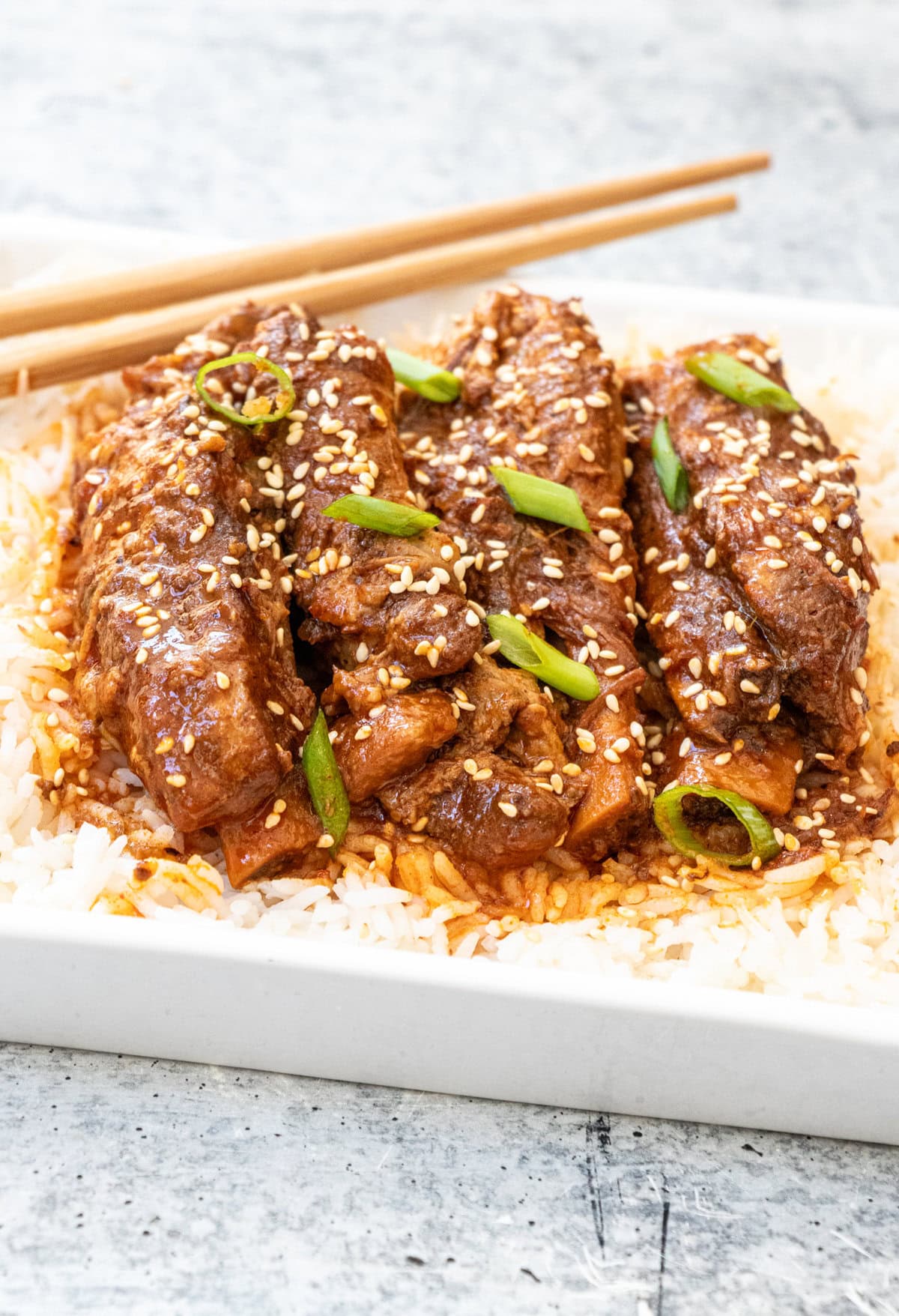
Last summer, I spent 8 weeks in the Philippines, and while there, I attended a Korean cooking class. It was a no-brainer decision since I am obsessed with Korean food! This delicious Slow Cooker Pork Ribs (Maeun Dwaeji Galbijjim) is the product of that cooking class!
Once I tasted this Korean pork ribs stew, I was immediately hooked by its amazing and complex flavors! Sweet, spicy, savory – all these flavors come into play in this tasty dish. I enjoyed it so much that I cooked it for some guests even before I wrote about it on the blog, and they all loved it.
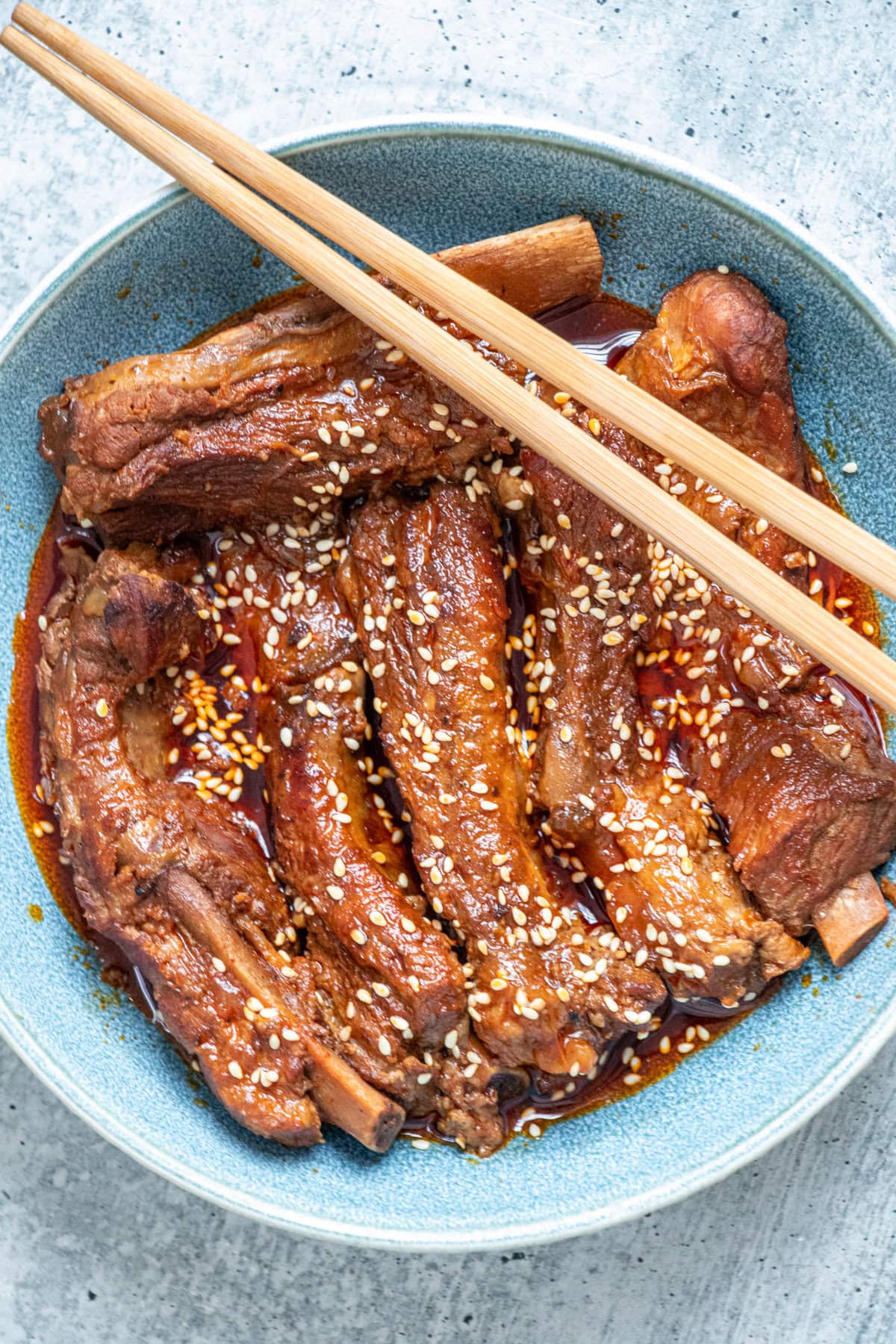
If you’re craving a soul-warming, flavor-packed meal that’s easy to make, these Korean slow cooker pork ribs (Maeun Dwaeji Galbijjim) are your answer. Tender, fall-off-the-bone pork simmered for hours in a rich, spicy-sweet soy and gochujang sauce — it’s the perfect blend of Korean comfort food and effortless cooking.
This recipe delivers the savory-sweet heat that makes Korean stews so irresistible, with the bonus of slow-cooker convenience. Every bite is infused with layers of flavor from garlic, ginger, soy sauce, and Korean chili paste (gochujang). Serve it over steamed rice, and you’ve got a comforting dinner that tastes like it came straight out of a traditional Korean kitchen.
Korean Ingredient Highlights:
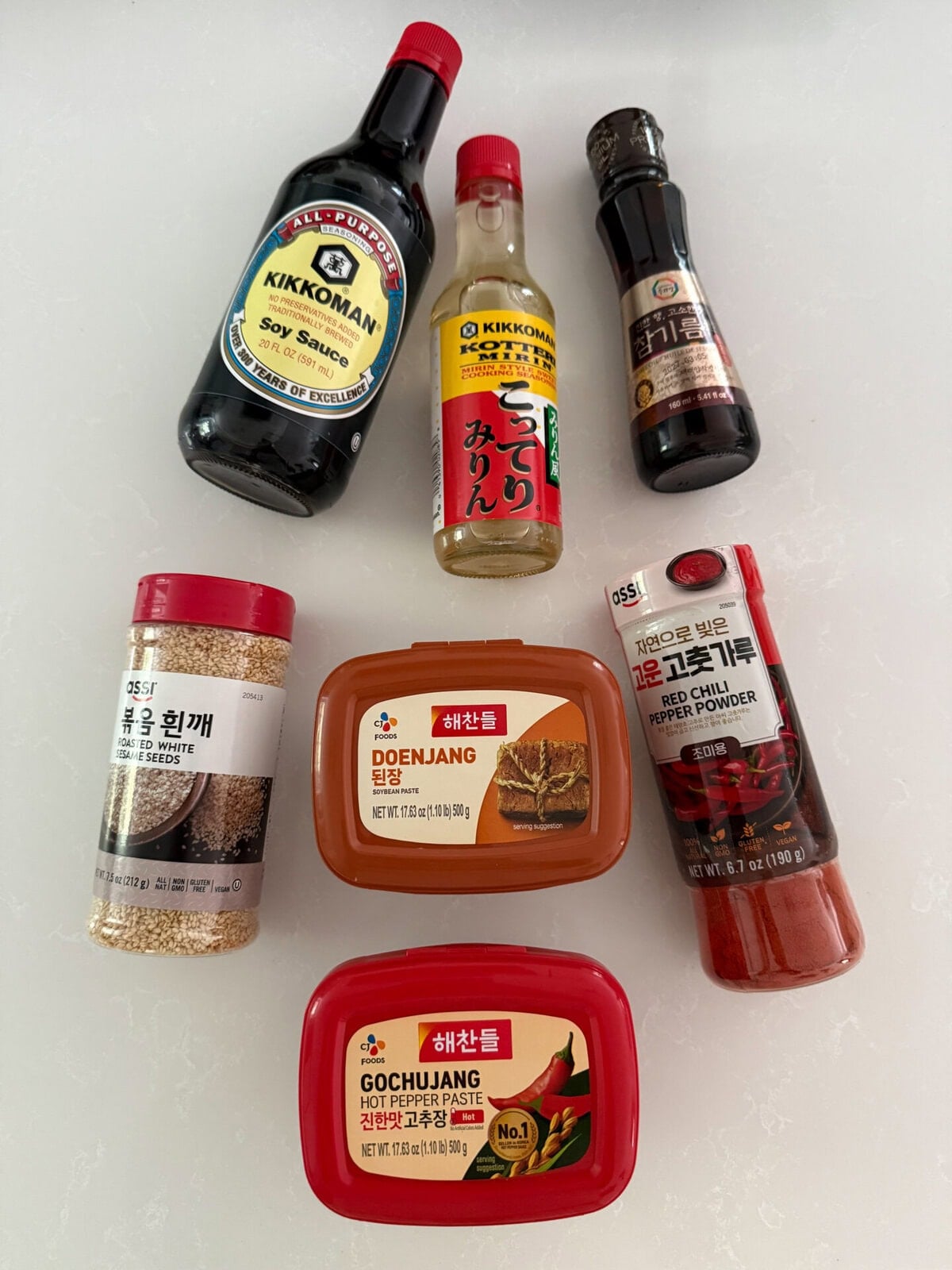
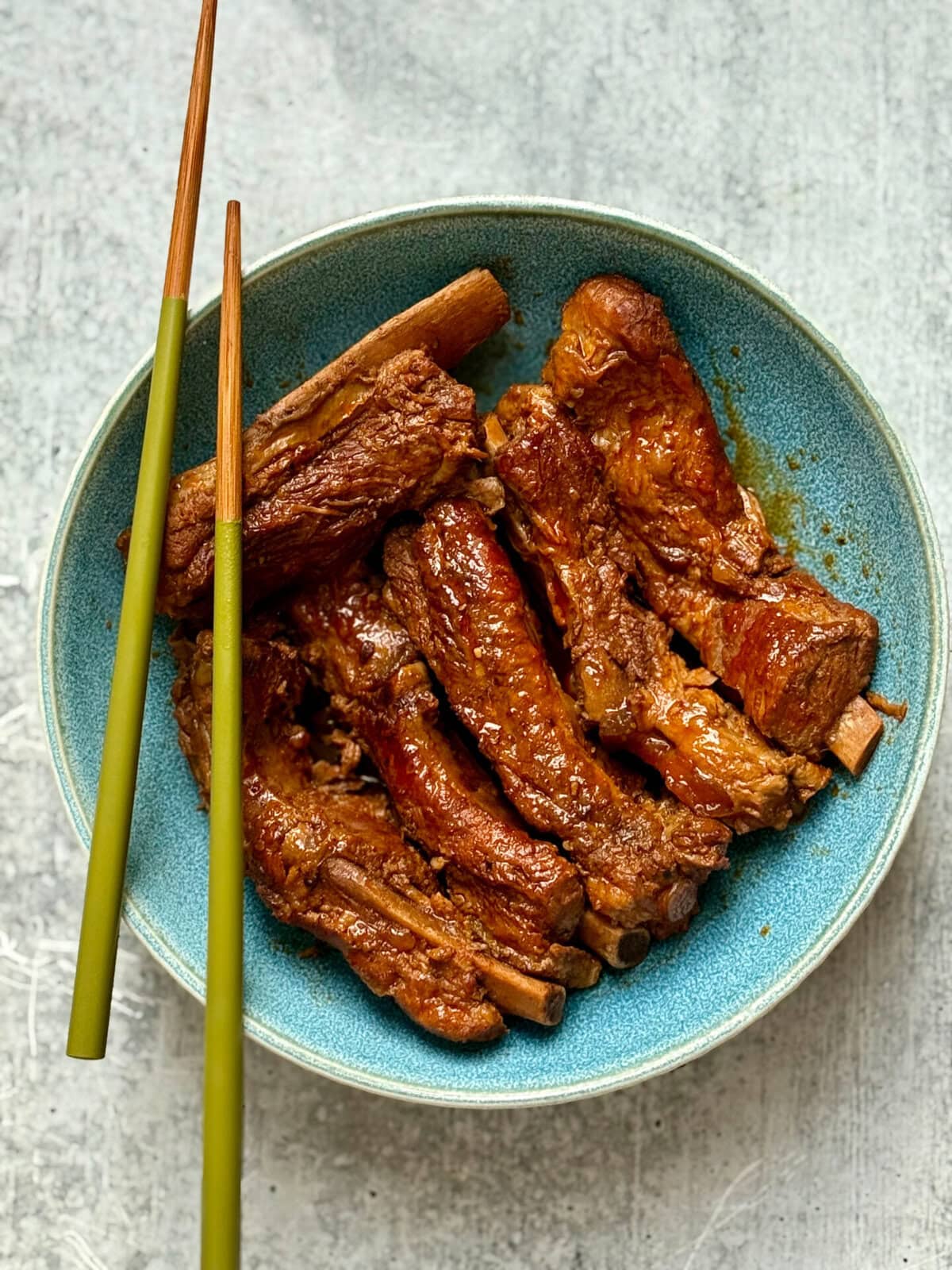
Every spoonful of Maeun Dwaeji Galbijjim bursts with layers of traditional Korean flavor. Here’s a closer look at what makes each ingredient essential — and how they work together to create this deeply satisfying slow cooker dish.
Pork Back Ribs
The star of the stew, pork back ribs, becomes meltingly tender after hours in the slow cooker. Their natural richness absorbs the marinade and sauce, making every bite juicy and flavorful. You can substitute the pork back ribs with pork shoulder or Boston butt.
Asian Pear
Commonly used in Korean marinades, Asian pear naturally tenderizes meat thanks to its enzymes. It also adds subtle fruity sweetness that balances the heat from gochujang and gochugaru. (If you can’t find it, a grated apple works beautifully.)
Gochujang (Korean Chili Paste)
Gochujang, a fermented chili paste made from red peppers, glutinous rice, and soybeans, brings spicy depth and a hint of sweetness. It’s the defining ingredient that gives Korean pork ribs their iconic crimson hue and signature umami punch.
Gochugaru (Korean Red Chili Flakes)
Distinct from Western chili powders, gochugaru has a smoky, slightly fruity profile. It enhances the heat level without overwhelming the dish, striking the perfect spicy balance in this slow-cooked stew.
Doenjang (Soybean Paste)
Earthy and deeply savory, doenjang anchors the sauce with its fermented richness. This paste adds the type of soul-warming umami that makes Korean stews so comforting and flavorful.
Soy Sauce
A cornerstone of Korean cooking, soy sauce provides saltiness and depth. It acts as the base for both the marinade and sauce, tying together the sweet, spicy, and savory notes.
Mirin (Sweet Rice Wine)
A touch of mirin contributes mellow sweetness and helps the sauce develop a glossy, velvety texture as it reduces. It’s subtle but transformative—balancing the chili’s boldness.
Sesame Oil and Sesame Seeds
Added at the end, sesame oil and toasted sesame seeds deliver signature nuttiness and aroma. Together, they create a polished, restaurant-worthy finish that elevates every serving.
Step-by-Step Instructions
1. Marinate the Pork Ribs
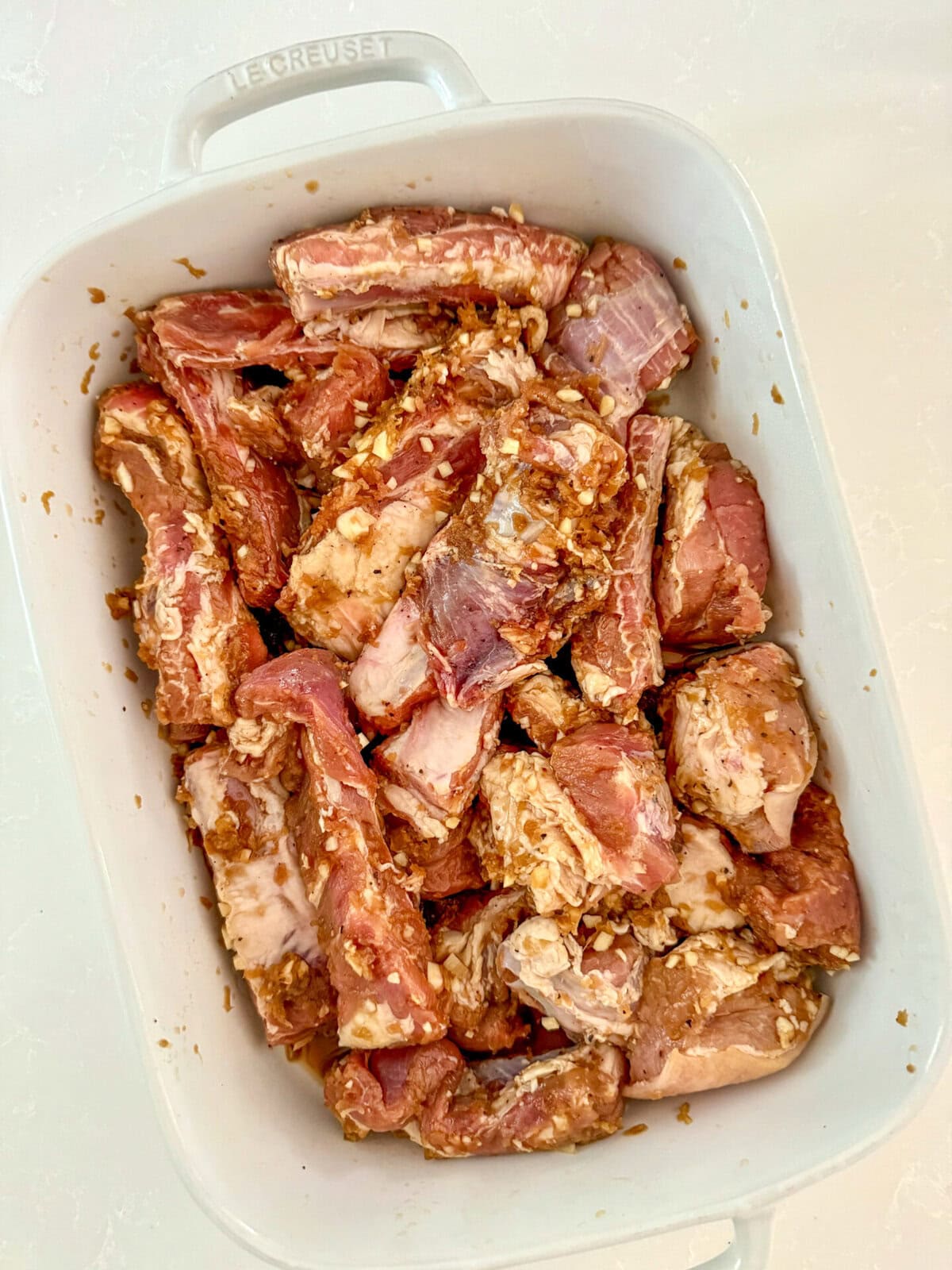
Start by making the marinade. Combine all marinade ingredients — Asian pear (or apple), brown sugar, soy sauce, garlic, ginger, and black pepper — in a blender or food processor until smooth. This mixture adds natural sweetness and helps tenderize the pork.
Prepare the meat by removing the membrane from the back of the ribs. Rub the ribs with salt and pepper, then massage the marinade evenly into the meat. This step is essential for flavor penetration. Cover and refrigerate for at least 4 hours, or even better, overnight. The longer marination allows the pear enzymes and soy base to fully infuse into the pork.
2. Prepare the Slow Cooker
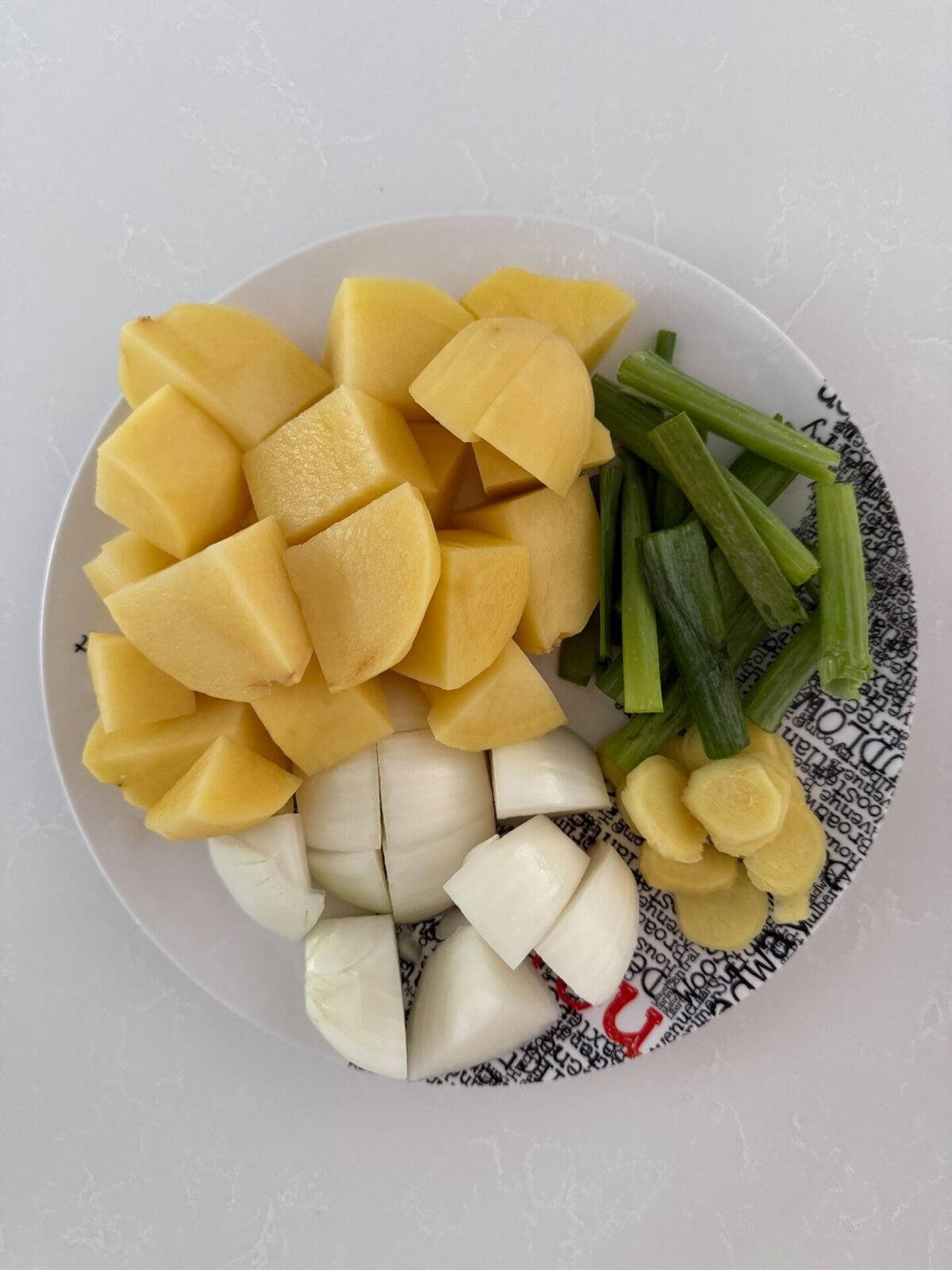
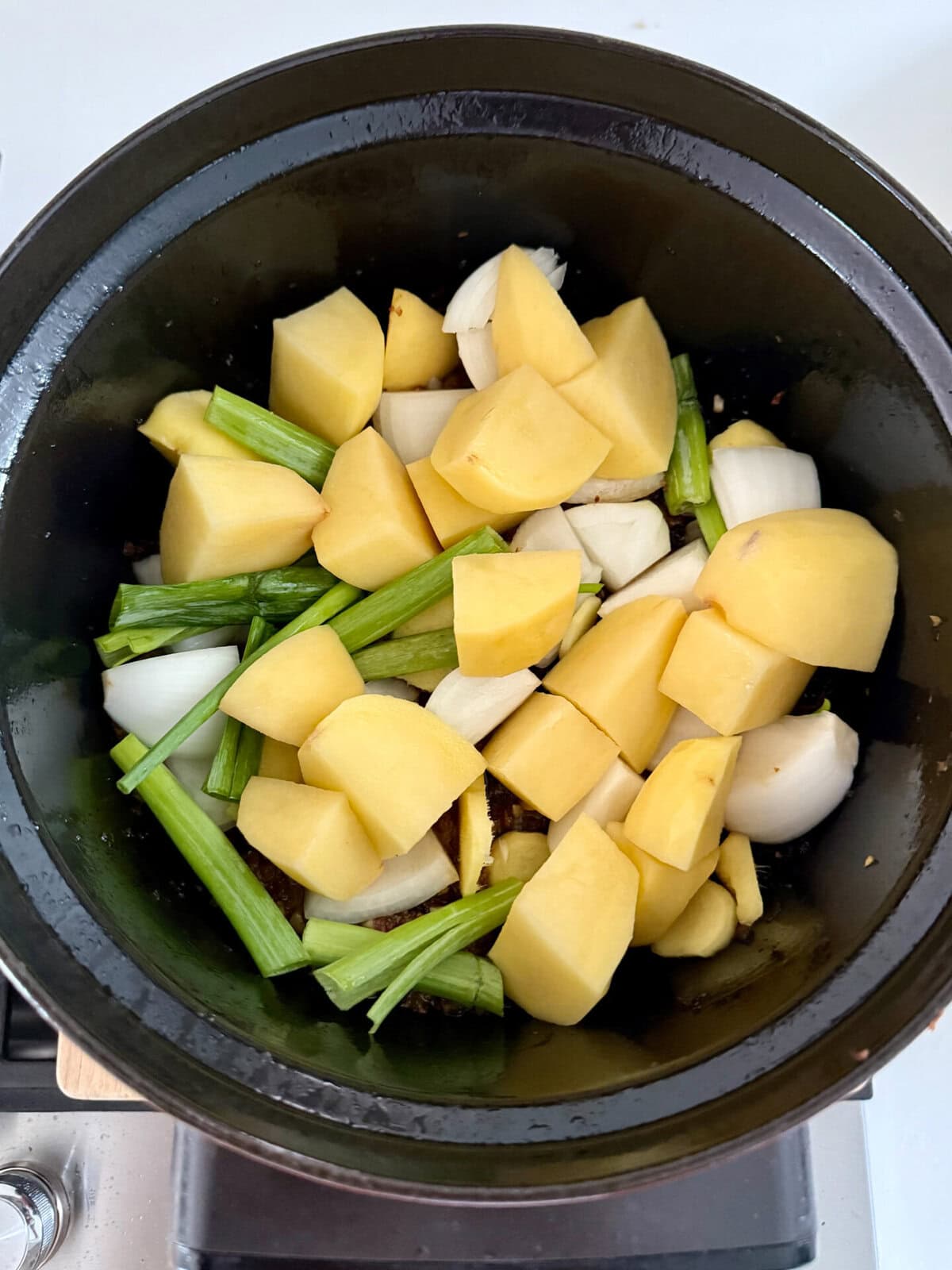
Place the marinated pork ribs into the slow cooker, layering with potatoes, onions, scallions, and ginger slices. These vegetables absorb the cooking juices, enhancing the stew’s depth of flavor.
3. Mix and Add the Sauce
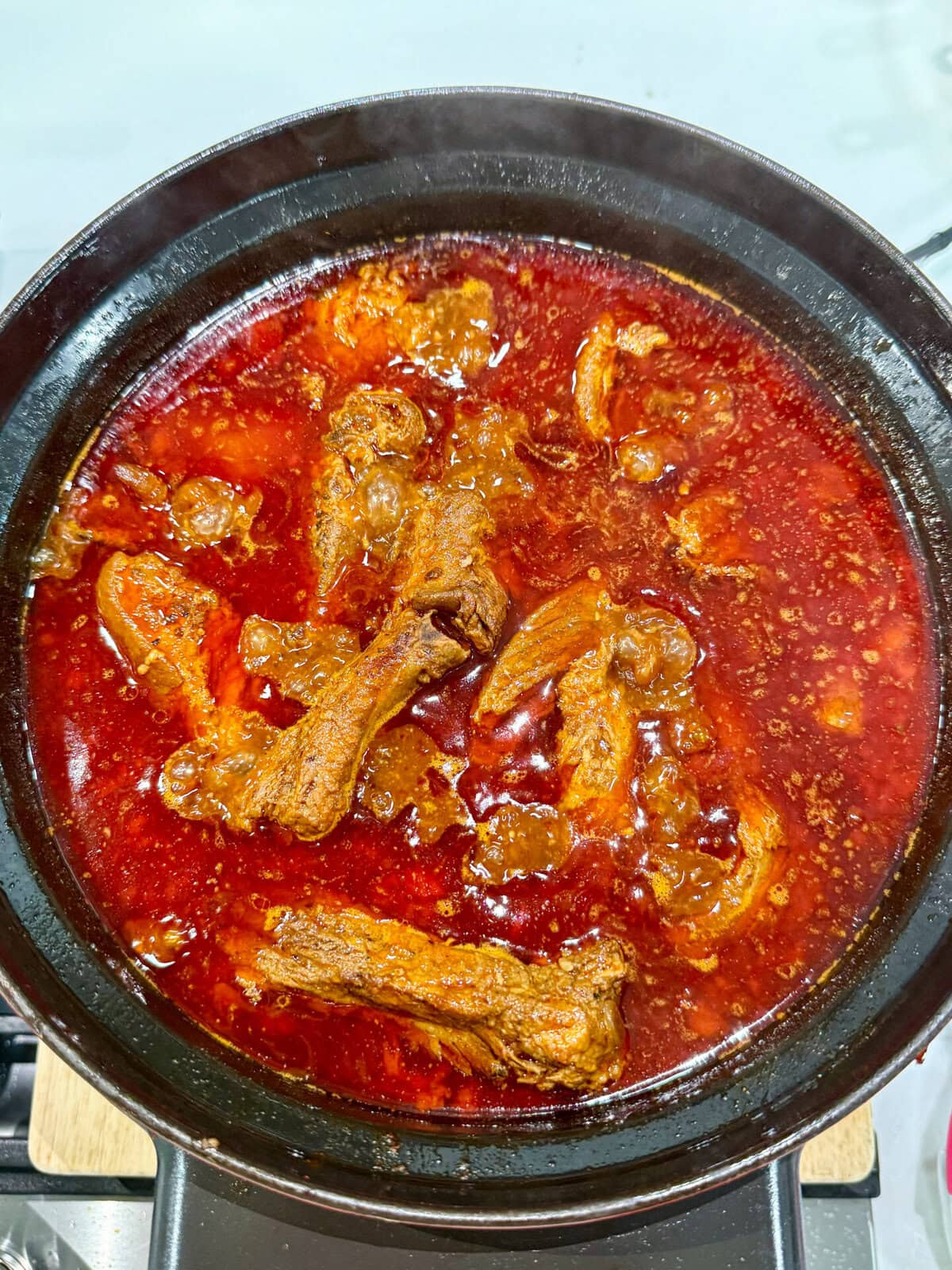
Combine all sauce ingredients (except the sesame oil and seeds) in a bowl: gochugaru, gochujang, doenjang, soy sauce, mirin, sugar, and grated apple. Pour this vibrant red sauce over the ribs and vegetables, making sure everything is evenly coated.
4. Cook Low and Slow
Cover and cook on LOW for 6–8 hours or HIGH for 4 hours, until the pork ribs are melt-in-your-mouth tender and the sauce has thickened.
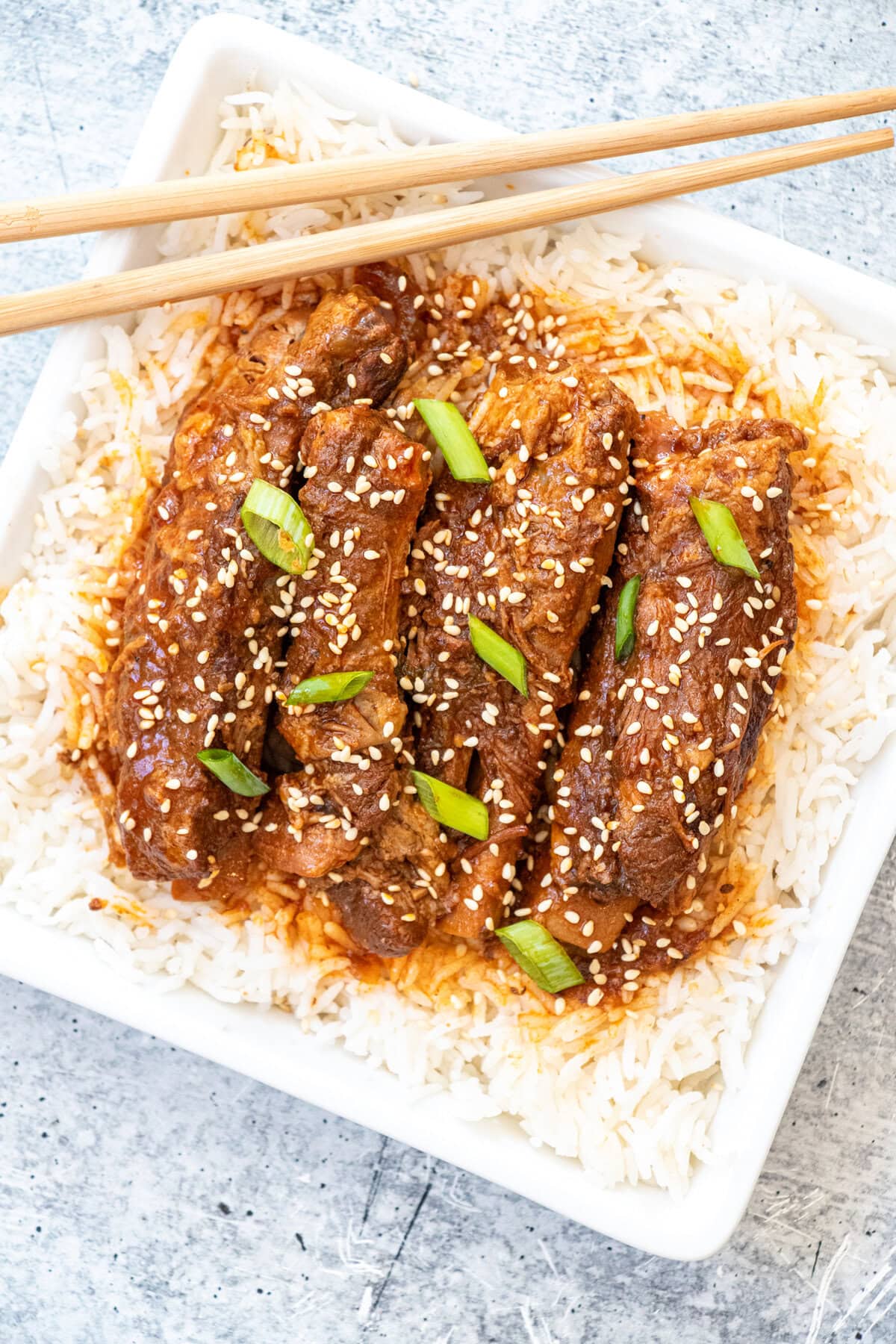
Before serving, drizzle in sesame oil and sprinkle with toasted sesame seeds for a nutty finish.
FAQs About Korean Slow Cooker Pork Ribs
1. Can I use spare ribs or baby back ribs instead?
Yes! Both work beautifully. Baby back ribs are more tender, while spare ribs offer richer flavor. Adjust cooking time slightly — spare ribs may need an extra 30 minutes. You can also use cut-up pork shoulder or Boston butt.
2. What if I don’t have a slow cooker?
You can make this in a Dutch oven or heavy-bottomed pot. Simmer on low heat on the stovetop or bake at 325°F for 2-3 hours, covered, or until tender. Add extra water as needed to prevent the sauce from drying out.
3. Is this dish very spicy?
The spiciness level depends on how much gochugaru and gochujang you use. For medium heat, stick to two tablespoons each. Halve it for a milder profile.
4. Can I make it ahead?
Absolutely. These pork ribs taste even better the next day after the flavors have melded. Reheat gently over low heat or in the microwave.
5. What’s the best side dish for Maeun Dwaeji Galbijjim?
Traditional sides like kimchi, steamed rice, and namul (Korean seasoned vegetables) balance the spice and richness, making for a complete and satisfying meal.
This Korean slow cooker pork ribs recipe beautifully marries ease and authenticity. The slow cooker transforms humble ingredients into a fragrant, spicy-sweet stew that comforts the soul. Whether you’re exploring Korean cuisine or want a crowd-pleasing weeknight dinner, these Maeun Dwaeji Galbijjim ribs bring a taste of Seoul to your table — no takeout required.

Korean Slow Cooker Pork Ribs (Maeun Dwaeji Galbijjim)
Ingredients
Pork Ribs Stew and Its Components
- 3 lbs pork back ribs
- salt and pepper, to taste
- 3 gold potatoes, cut into chunks
- 1 large onion, cut into big chunks
- 4 stalks of scallions, sliced into 2-inch lengths
- 1 inch-long ginger, peeled and thinly sliced
For the Marinade
- 1 piece Asian pear or use 1 apple as a substitute, grated
- 3 tablespoons brown sugar
- 3 tablespoons soy sauce
- 2 tablespoons garlic, minced
- 1 tablespoon ginger, freshly grated
Sauce for the Pork Ribs
- 2 Tablespoons Korean red chili pepper powder (gochugaru)
- 1 teaspoon salt, or to taste
- ¼ teaspoon Black pepper, freshly ground
- 5 tablespoons soy sauce
- 5 tablespoons mirin (sweet rice wine)
- 1 tablespoon brown sugar
- 2 tablespoons red chili paste (gochujang)
- 1 tablespoon soybean paste (doenjang)
- 1 apple, grated
- 1 tablespoon sesame oil
- 1 tablespoon sesame seeds
Instructions
Make the Marinade
- Mix the marinade ingredients — Asian pear (or apple), brown sugar, soy sauce, garlic, and ginger. This mixture adds natural sweetness and helps tenderize the pork. You can optionally use a food processor or blender to mix the ingredients evenly.
- Prepare the meat by removing the membrane from the back of the ribs. Season the pork ribs with salt and pepper. Massage the marinade into the seasoned pork ribs using your hands. This method allows the marinade to fully infuse into the pork. Marinate for several hours (at least 4) or overnight (for more flavor).
Cook in the Slow Cooker
- Transfer the pork ribs to the slow cooker with the potatoes, onions, scallions, and ginger. Discard the remaining marinade.
- Combine all sauce ingredients (except the sesame oil and seeds) in a bowl: gochugaru, gochujang, doenjang, soy sauce, mirin, sugar, and grated apple. Pour this vibrant red sauce over the ribs and vegetables, making sure everything is evenly coated. Cook for 6-8 hours on low or 4 hours on high until the meat is tender. Add in the sesame oil and sesame seeds. Adjust seasoning as needed or desired. Skim off the extra fat, if desired (highly recommend).
- Serve immediately over rice.
Notes
Tips and Tricks
You can make this in a Dutch oven or heavy-bottomed pot. Simmer on low heat on the stovetop or bake at 325°F for 2 hours, covered, or until tender. Add extra water as needed to prevent the sauce from drying out.Serving Suggestions
Serve these Korean spicy pork ribs over steamed white rice or sticky short-grain rice to soak up the flavorful sauce. Pair with simple Korean side dishes (banchan) such as kimchi, pickled radish, or sautéed spinach (sigeumchi namul). A crisp cucumber salad also makes a great cooling contrast to the spicy richness of the ribs. For a fusion twist, try shredding the leftover meat for Korean BBQ pulled pork sandwiches or adding it to rice bowls with a fried egg on top.Nutrition
Last updated on January 17th, 2026 at 10:15 pm


Your homemade pork rib sauce is absolutely amazing, I love the rich and complex flavors. That was also a great trick for using the Asian pear to help tenderize the pork ribs. So smart!
Yes, I always use the Asian pear to tenderize my meats especially when I am making Korean dishes. Thank you!
I made this recipe a month ago and it was amazing, so delicious. Love trying spices I don’t usually use. I get bored cooking for myself everything so bland, you have taught me a whole difference in flavor and I thank you!
Wow! You totally made my day! So happy you loved this! I have made this a few times already and I always love it. Thank you for the feedback.